
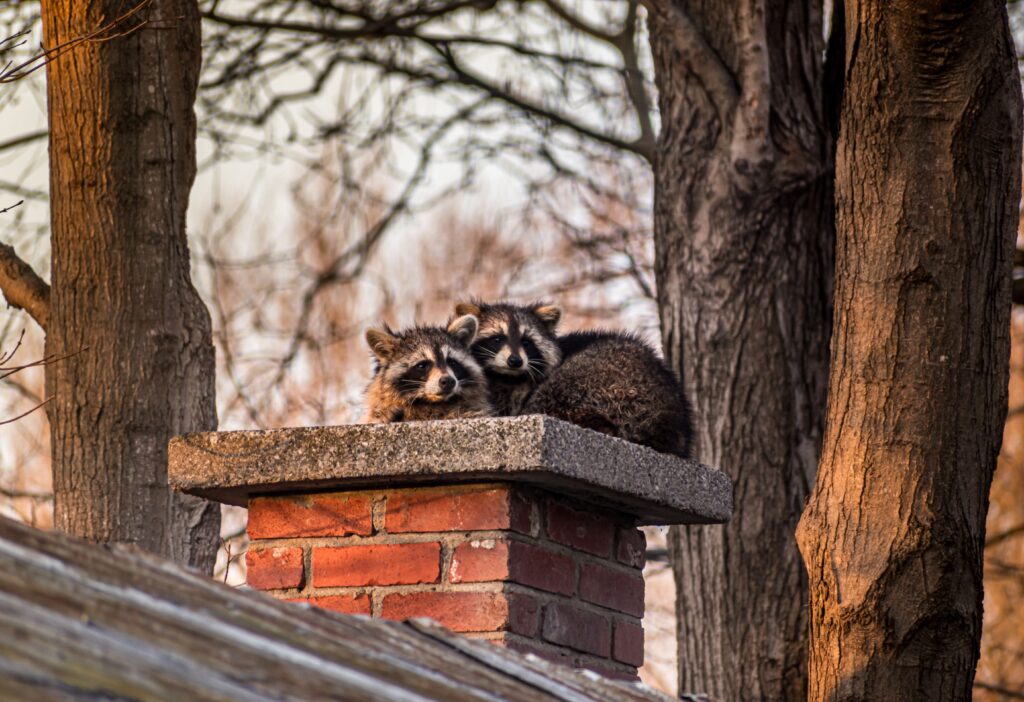
Raccoons are smart little creatures. They have powerful claws and agile feet designed for climbing. To a raccoon, your chimney looks like a cozy resort. It’s dark, warm, and protected from predators. So, of course, they love to settle right in whenever opportunity strikes.
If a mother raccoon spots your chimney, she immediately views it as another hollow tree from the great outdoors. It’s a perfect place to nest and raise her young. Don’t expect her to leave easily once she sets up shop, either.
Why Do Raccoons Choose Chimneys?
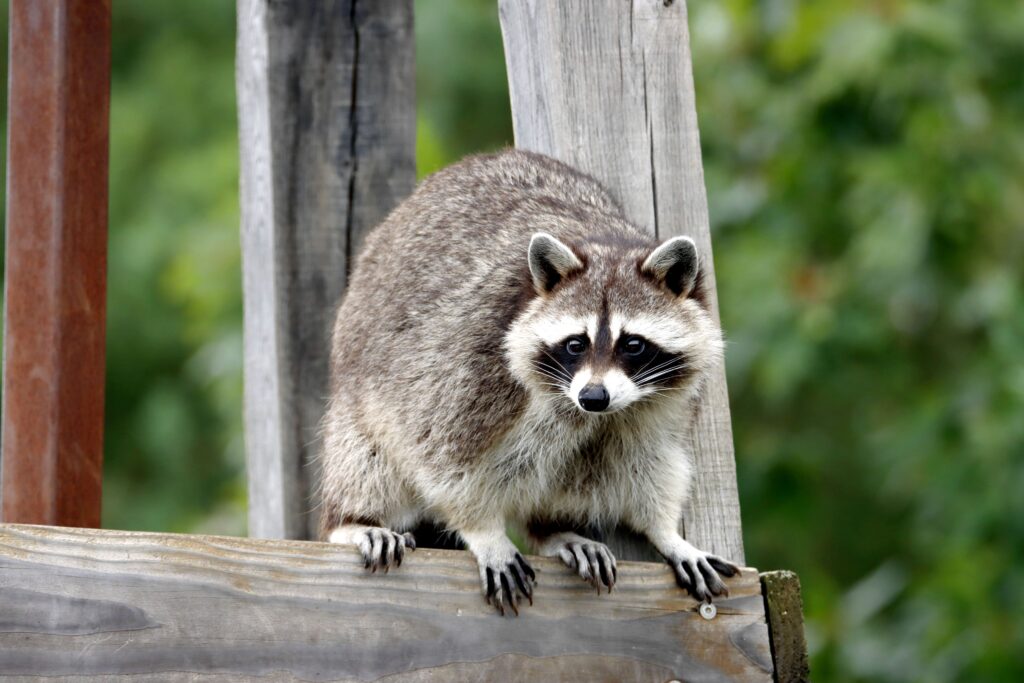
Raccoons don’t pick your chimney by accident. They’re drawn to it for very clear reasons:
- It’s warm and dry inside
- Predators can’t reach them
- It’s close to food sources in your yard
- It’s a safe space to raise their young
Some raccoons even pop off chimney caps to get inside. They can twist, turn, and unsnap most standard caps with ease. So a cheap cap alone won’t always keep them out.
Signs of a Raccoon in Your Chimney
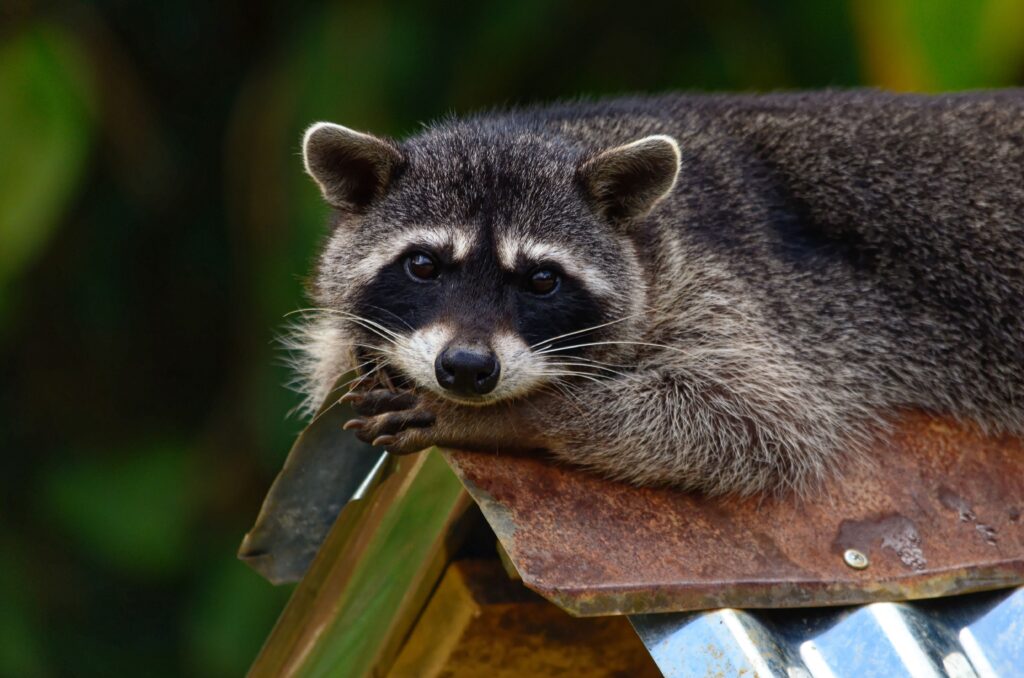
You know your home better than anyone. If something feels off, trust that gut feeling. Here are the most common signs of raccoon nesting in a chimney:
- Scratching or rustling sounds from the chimney
- Crying or whimpering noises, especially at night
- Feces near or inside the fireplace
- Greasy smudge marks on your siding
- Broken or missing chimney caps
- Footprints near the base of the chimney
Raccoons can make over 200 different sounds at all sorts of pitches. They squeak, purr, chatter, and whine. Hear something that sounds like a baby crying near your fireplace? A mother raccoon likely had her litter up there.
The Risks of Raccoons in Your Chimney
Ok, now we’re talking about serious consequences. Raccoons can spread diseases to humans through bites, scratches, or feces. You don’t want to catch this yourself. This is actually dangerous.
Some examples of health concerns:
- Rabies – fever, muscular pain, severe neurological damage in the worst cases
- Raccoon roundworm – spread through feces; causes liver damage and blindness
- Leptospirosis – causes chills, fever, and kidney damage
- Salmonellosis – nausea, vomiting, diarrhea
And that’s just some of the diseases they spread. Raccoons are hosts to fleas, ticks, mites, and lice. Each of these has its own negative effect. Mommas are even more feisty when you’re trying to remove their babies from your chimney. She’ll bite and attack quicker than you can think.
Should You Remove Them Yourself?
Quite frankly, it’s dangerous to attempt it by yourself. Most people don’t own the necessary equipment or proper permits. Not to mention, they lack the knowledge to remove them safely. You need to know what trap to use. What kind of bait is legal in your area? You really should know the ins and outs of trapping before attempting this.
If your chimney is full of baby raccoons, it becomes even more difficult. You’ll have to remove each baby by hand physically. Putting your hands within biting distance. Not to mention if Mama is still in there with the babies, she’s liable to attack you as well.
The easiest and safest solution is to call a professional wildlife removal service. They will remove the raccoons humanely and legally. They will also clean and sanitize the area when done. You and your family will be safe from any remaining feces and germs.
How to Keep Raccoons Out for Good
After the raccoon is gone, seal the entry point right away. The best fix is a stainless steel chimney cap. It sits atop your chimney and blocks out animals, debris, and bad weather.
Other steps that help:
- Remove bird feeders near your home
- Store pet food inside
- Seal any gaps in your roof or soffits
- Trim trees that hang close to your chimney
Wildlife removal specialists will examine your home and find every vulnerability. They can identify problem areas with just one visit. Eliminate thousands of dollars in future repair bills by hiring a professional. It’s one of the best investments you can make.
Don’t Wait on This One
Raccoon damage can become expensive quickly. Missing shingles, ripped siding, leaks in your ceiling, and cleaning up feces are real money. Take care of the problem as soon as possible. Does it sound like something in your chimney? See any of the problems listed above? Give a wildlife removal expert a call today.