
Did you know squirrels can actually be cute animals? Until you find them nesting in your attic, chewing through your wires and insulation like it’s nobody’s business, clawing at your roof at sunrise… Yeah, they’re pretty cute rodents.
The problem is that when they make their home inside your walls and attic, they can wreak serious havoc. Dealing with the damage they leave behind can become costly.
So how can you encourage them to leave town without hurting them? Well, there are some DIY methods that work, and plenty of tricks that will just drive you crazy. Let’s first review the methods that work.
Make Sure It’s Actually Squirrels
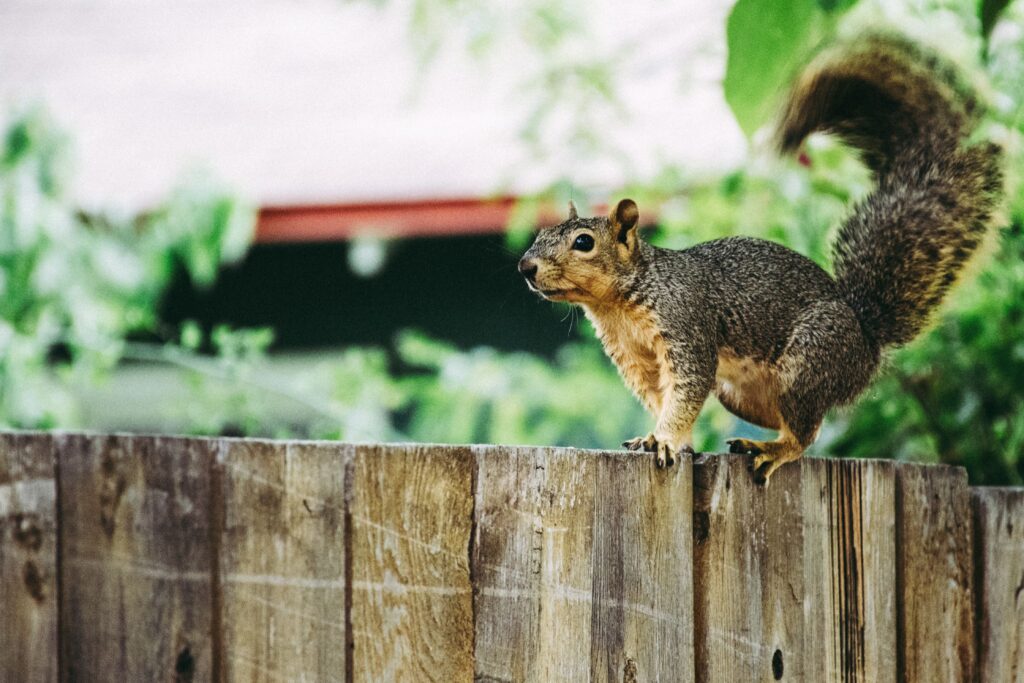
This step seems pretty obvious, but you’ll want to triple-check that you actually have squirrels. The biggest hint is hearing scratching during the day, since squirrels are primarily diurnal. Other hints around your vents or soffits include:
- Nibbled on wood/wires
- Little dark poop near where they entered
- Bits of a nest, materials like leaves or shredded insulation
- Missing roof tiles or holes along the roof line
After you’ve confirmed, you can begin.
The Best Method: One-Way Exclusion Doors
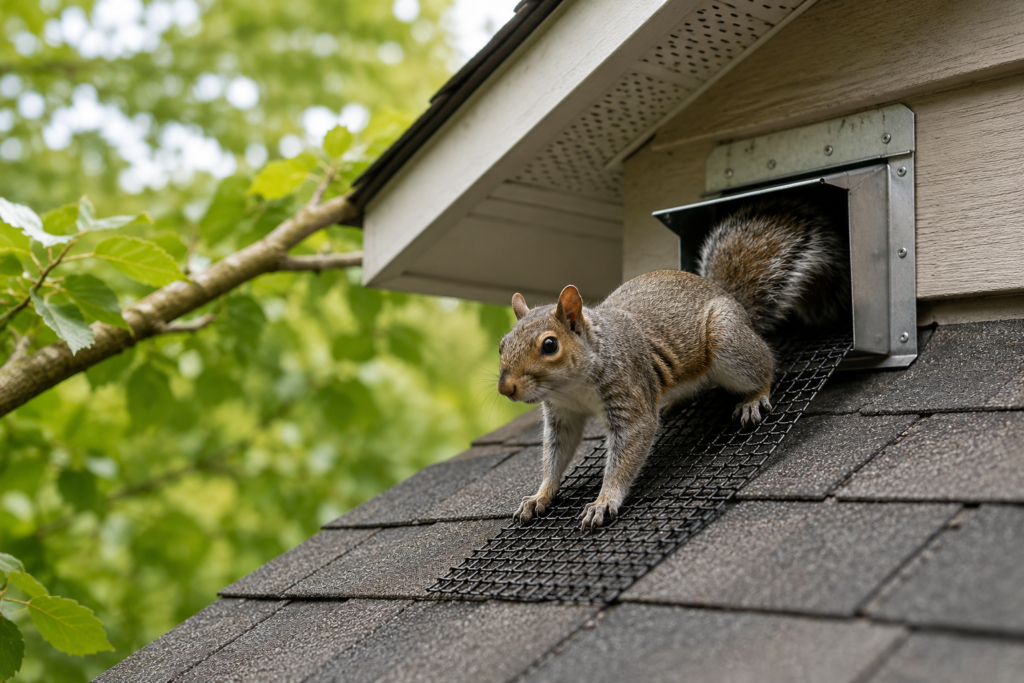
The most humane method for removing attic squirrels is a one-way exclusion door. You place it over the main entry hole. Squirrels push through it to go outside for food or water. Then they can’t get back inside. No trap. No stress. No harm done.
This works because squirrels go out every single day. The door lets them leave but keeps them locked out on the return trip. It can take seven to fourteen days for all of them to exit. Be patient. It works.
One big thing to check first: baby squirrels. If it’s nesting season, a mother may still have young ones inside. Seal her out, and those babies stay stuck with no help. Wait until the young ones can move on their own before you install the door.
What About Trapping?
You can absolutely trap squirrels alive. However, trapping is a lot of work. You may need to check the traps every few hours. If you leave a squirrel in a trap too long, it stresses the squirrel out. It will go without food and water and injure itself trying to escape. If you trap a mother with her babies, you have sad, helpless babies waiting for her to return. No thanks!
You know what live traps need? Peanut butter or nuts. Once you’ve trapped your squirrel, drive ten miles or more away from your house and release it into the woods. Always check with your local wildlife regulations before moving any wild animal.
Seal Every Entry Point
Evicting squirrels from your home is only half of your battle. Once you get them out, you need to ensure they can’t find their way back in. Squirrels can fit through a hole about the size of a golf ball. Pay close attention to your roofline.
Here’s where to look:
- Roof vents and gable vents
- Gaps along soffits and fascia boards
- Open or uncapped chimneys
- Holes around pipes or utility lines
- Soft or rotting wood near the roof
Use steel mesh or hardware cloth to block openings. Squirrels chew through foam and soft wood with ease. Go with the tough stuff.
Cut Off Their Path to the Roof
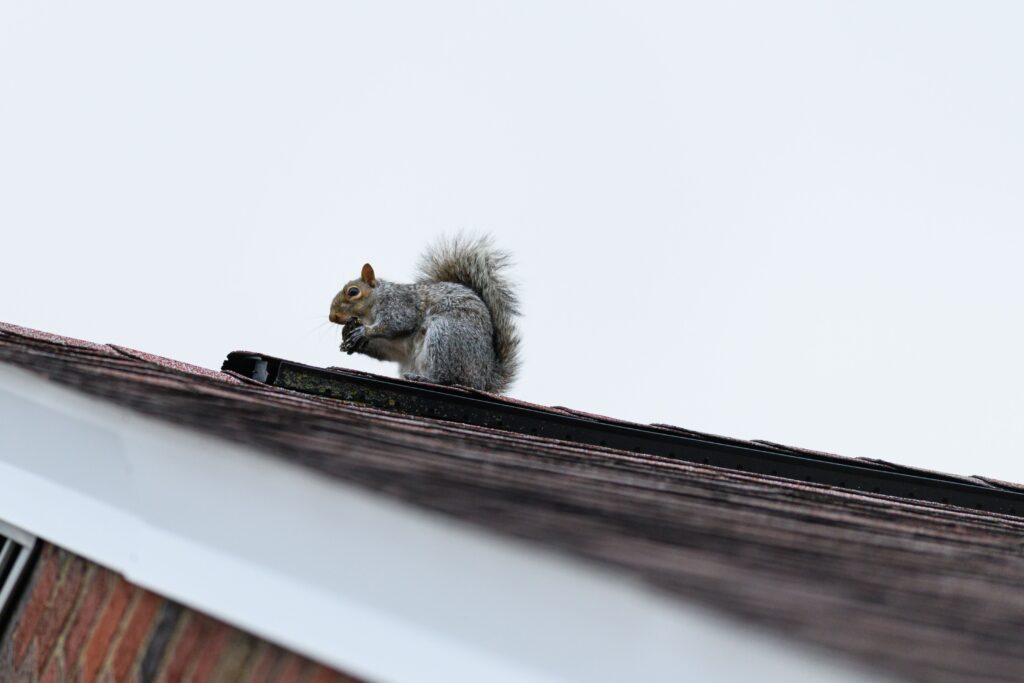
Squirrels don’t fly. They jump. Branches that hang close to your roof give them a free bridge to your home. Trim any limbs within six to eight feet of the house. Remove the bridge, and you cut off the problem at its source.
When to Call a Pro
Occasionally, you will come across a job that is beyond your skill set. A colony of squirrels, extensive nesting, or gnawing through attic walls are sure signs you need to hire professional squirrel removal services. Professionals will identify all entry points used, even the unseen ones. Professionals have the equipment to do the job and will complete it safely.
Keep Squirrels Out Long Term
Inspect the exterior of your home every few months after removal. Look for any openings you may have missed or new damage from determined squirrel teeth. These animals will make every attempt to reenter your home.
Make sure your trash cans are secure. Move bird feeders away from your home. Pick up fallen fruit or nuts in your yard. The less access they have to food, the less reason they have to try and stay close to your home.
Humane squirrel removal isn’t difficult. Find the appropriate removal method for your situation, seal your home, and perform regular maintenance. Keep your attic squirrel-free.