
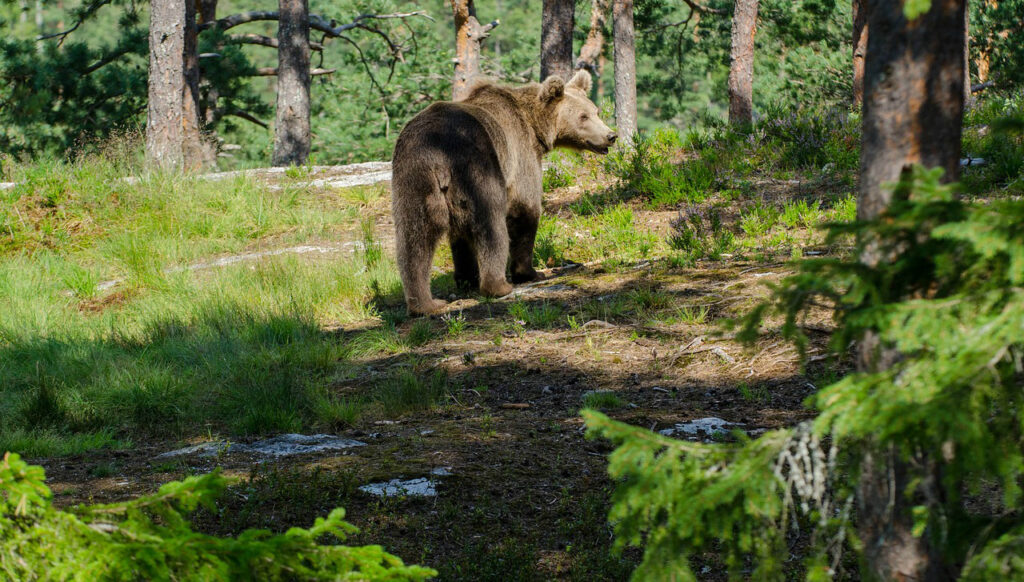
Meeting a wild animal can be exhilarating and shocking. Whether you are hiking in the woods or walking in your neighborhood, learning how to respond can keep you both safe. If you run into a wild animal, here are some emergency steps to take.
1. Stay Calm and Assess the Situation
The first thing is to keep calm. Assess the situation for a moment. We are more afraid of them than they are of us, for most wild animals. If the animal is passing by, then you’re better off keeping your distance and letting it go. Make no sudden movements or loud noises that may frighten the animal.
2. Maintain Your Distance
It’s important to keep a safe distance. Moreover, wild animals can be unpredictable; most of the time, they react when they feel threatened or cornered. If you have your phone or binoculars, observe the animal from a distance. A good rule of thumb is to stay at least 100 yards from a large animal such as a deer or bear, and 50 yards from a small animal such as a raccoon or coyote.
3. Do Not Feed the Animal
Feeding wild animals can put you and the animals in dangerous situations. Having them lose their natural fear of humans has a legitimate impact because it will make future encounters with them more difficult. Moreover, many foods aren’t good for their diet, and they can cause animals many health issues. If you have food with you, secure it and don’t try to attract wildlife.

4. Make Your Presence Known
If you come across an animal, either it approaches you or looks curious about you, make yourself known, but not aggressively. Wave your arms and stand tall, and speak calmly and firmly. It can help you assert dominance and push the animal back (in some cases). Some animals may regard direct eye contact as a challenge; avoid it.
5. Back Away Slowly
If the animal doesn’t leave when you’ve made your presence known, back away slowly, keeping your eyes on it. Don’t turn your back on the animal or run, as this may trigger a chase response. Walk away calmly and steadily until you feel safe.
6. Identify the Species
Knowing what type of wild animal you’re dealing with can help you know how to respond. First, research common wildlife behaviors and characteristics so you can tell if an animal is behaving unusually aggressively or distressed. For example, an injured animal might be more dangerous because it feels threatened.
7. Seek Shelter if Necessary
If you’re in a really bad situation, like you’re running into a bear or a big predator, get out of the line of fire if you can. Although dangerous, climbing a tree or moving into a nearby building can offer you safety until the animal leaves the area.
8. Contact Local Authorities
Contact local wildlife authorities or animal control if the encounter escalates or if an aggressive animal presents a threat to public safety. The truth is, they are trained for these situations and know how to proceed safely.
9. Educate Yourself Post-Encounter
After any close encounter with wildlife, take time to learn about local species and their behaviors. Knowing how to share space with wildlife will prevent future encounters from becoming emergencies.
Finally, acquiring a grasp on how to respond to meeting a wild animal is fundamental to keeping yourself and the animal safe. Staying calm, staying a distance, and making yourself visible go a long way toward successful encounters with wildlife. If you need help, just ask.