
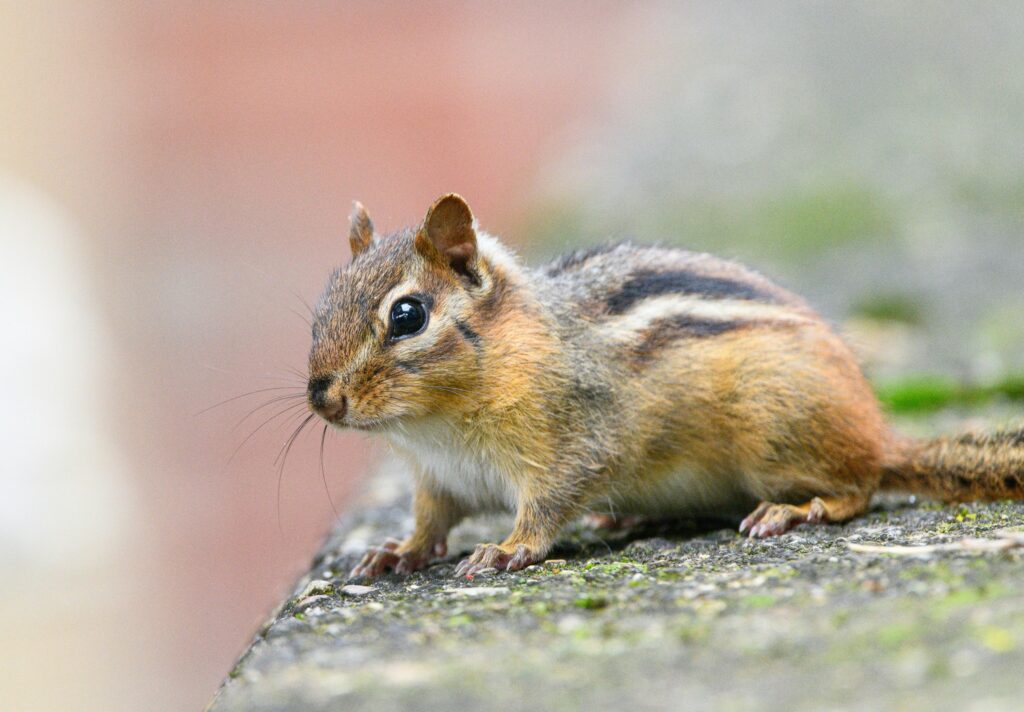
A chipmunk can be a very cute animal for two seconds. Then it starts digging near your home, and the charm fades. In this article, we will look at how chipmunks get into your foundation and how to keep them out for good.
Meet the Chipmunk
Chipmunks are small rodents. They have reddish-brown coats and three dark stripes down their backs. They look small but can move very fast. You’ll often see them running with their tails held high.
They love wooded spots. But they can also move into backyards with ease. They usually settle down in a quiet corner by the porch or even on a pile of leaves.
The Underground Empire

Chipmunks are serious diggers and can create amazing tunnel systems that can stretch up to 30 feet long! These burrows have multiple rooms and usually have several exits. They can even hide the dirt they dig out. And so you might not even notice their home-building project until it’s too late.
They are known to place their main doorway near stumps, logs, large rocks, or even your home’s foundation. That’s where your problems begin.
Breaking and Entering
So how do these Chipmunks get into your foundation? They are masters at finding or creating entry points:
- Gaps where utility lines enter your house
- Cracks in the foundation
- Spaces under porches or decks
- Holes in siding
- Loose or damaged vents
Once they find these openings, they might expand them or simply use them as doorways to their new house.
Damage They Cause
Chipmunks can do some serious damage. And some of them are as follows.
- Clog rain gutter downspouts
- Dig tunnels that cause walkways or patios to sink
- Chew through wires and cables
- Damage flower bulbs and garden plants
- Create entry points for water and other pests
But chipmunks don’t usually cause major structural damage. But they can surely create annoying and costly problems if left unchecked.
Keeping Chipmunks Out
Let’s look at some of the ways to stop these cute troublemakers from turning your foundation into Swiss cheese.
Seal All Entry Points
Walk around your home’s foundation and look for any possible entry points. Seal holes with steel wool, caulk, or 1/4-inch wire mesh. Pay special attention to areas where:
- Pipes enter your home
- Gas lines connect
- Cable or internet wires come in
- Dryer vents exit the house
- Downspouts connect to your foundation
And don’t forget to check your rain gutter downspouts! Chipmunks love these as hideaways. Add mesh covers, but clean them regularly to prevent clogs.
Create a Barrier Zone
Chipmunks really hate crossing open areas with no cover. You need to create a gravel or rock border around your foundation, approximately 2-3 feet wide. This creates a “no-man’s land,” and they’ll be afraid to cross.
Remove piles of wood, rocks, or dense plants near your foundation, too. These provide chipmunks with ideal hiding spots as they plan their break-in.
Landscape Smartly
Your garden choices can also help keep chipmunks away:
- Plant daffodils or allium bulbs instead of tulips because chipmunks don’t like them
- Keep bird feeders far from your house
- Clean up fallen seeds and nuts regularly
- Use bulb cages to protect your plantings
Removal Options

If a chipmunk gets inside your house, stay calm. It did not move in on purpose. Open a window or door in the same room. Turn off the noise. Then give it time to find the exit.
Live traps with peanut butter are a strong option for chipmunks outdoors. Place one near a burrow entrance. Or set it beside a fence line or path they follow. Check the trap often. Please check your local rules first. Many areas prohibit trapping and relocating wildlife.
Also, remember this. Prevention beats removal every time. Seal gaps and small holes so they can’t get in again. Make your yard less inviting, too. Then you can enjoy chipmunks from a distance, and not from inside your walls.