
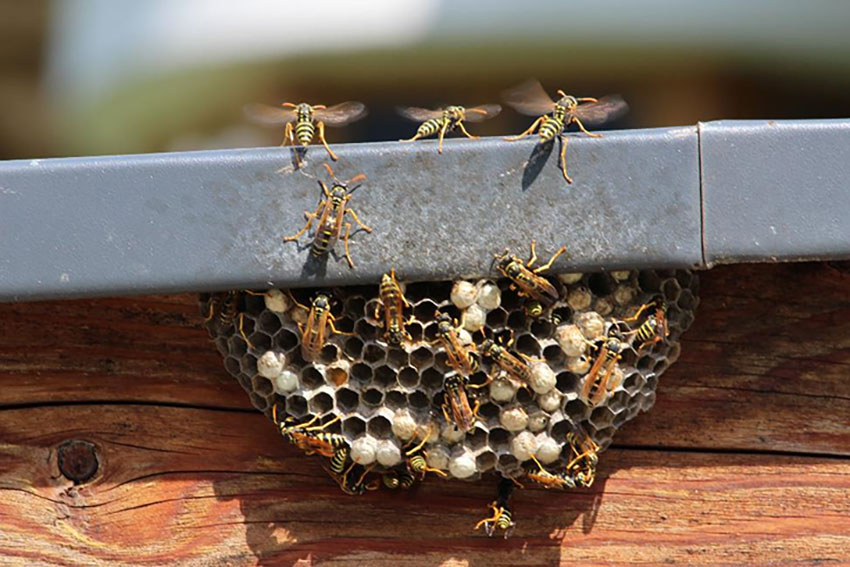
Dealing with bees and wasps in your garden is a delicate business because, whatever you do, these insects are important pollinators and keepers of ecological balance. Their presence can sometimes cause concern about stings, however. Learning how to live safely with them is key. Here’s a guide to safely handling bees and wasps in your garden.
1. Understand the Importance of Bees and Wasps
First, it’s important to acknowledge that bees and wasps are important to your garden. Our plants need to reproduce — and so do honeybees and native species — and bees do this for us, by pollinating. However, wasps are natural pest controllers and eat insects such as caterpillars and aphids. Knowing what their role is can help you be more tolerant of their presence.
2. Identify the Species
Knowing the difference between bees and wasps can help you know what to do. Generally, bees are rounder and fuzzier, while wasps have more slender bodies and smooth skin. Honeybees are generally not aggressive unless provoked, while some wasp species are more territorial. Knowing the species can help you decide how to deal with them in your garden.
3. Observe from a Distance
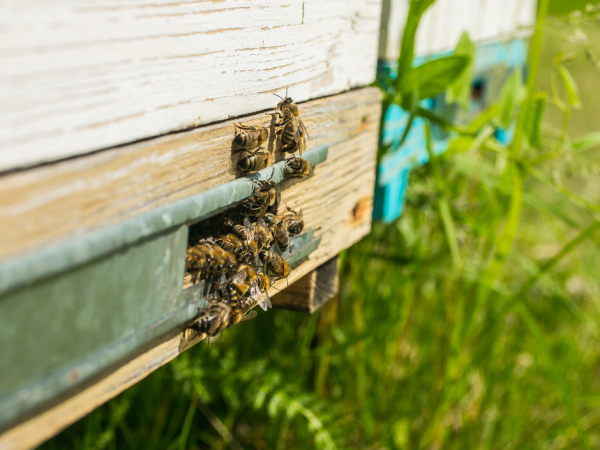
If you see bees or wasps in your garden, it’s best to watch them from a safe distance. They are busy foraging for nectar or hunting pests and will pay you no heed if left undisturbed most of the time. Do not make any sudden movements or loud noises that will scare them.
4. Wear Protective Clothing
If bees or wasps are active in areas where you must work, wear protective clothing. Dark colors attract their attention more than light colors. Wearing long sleeves, pants, and closed-toe shoes will give an extra layer of protection from accidental stings.
5. Avoid Strong Scents
Strong scents — perfumes, scented lotions, even some food odors — attract bees and wasps. If you’re working in your garden, choose unscented products so you don’t attract them. Also, don’t wear brightly colored clothing that could be confused with flowers.
6. Use Natural Deterrents
Natural deterrents such as peppermint oil and vinegar solutions will keep wasps out of certain areas without harming them, if you want to keep them out without killing them. Spraying these around areas where you don’t want wasps can get them to relocate without hurting them.
7. Create Bee-Friendly Habitats
Having bees in your garden is good for the ecosystem. Planting native flowers that bloom at different times during the season helps provide food for bees, reducing competition between bees and wasps for food and shelter. We can also create habitats such as bee hotels to support solitary bee species.
8. Know When to Call Professionals
If you come across a big nest of wasps or aggressive behavior from bees or wasps, it’s probably best to call in the pros to take them away. It is not advisable to handle large nests yourself, as you may get several stings and even serious allergic reactions.
9. Educate Yourself and Others
The more you know about bee and wasp behavior, the less fearful they will be. Create the conditions in which they do not feel threatened and will not sting. Spread the word back to family and friends to create a community that understands the value of these amazing bees and doesn’t fear them.
In summary, you should understand the value of bees to our planet, identify the species, observe them from a distance, and take preventive measures to handle bees and wasps safely in your garden. One of the most important ways to do this is to create a harmonious environment for pollinators and pest controllers alike, without creating unnecessary risk for stings, and still have a thriving garden ecosystem that both humans and wildlife alike can enjoy.